
Export-oriented brioche and quiche manufacturer: serving the foodservice and retail sectors
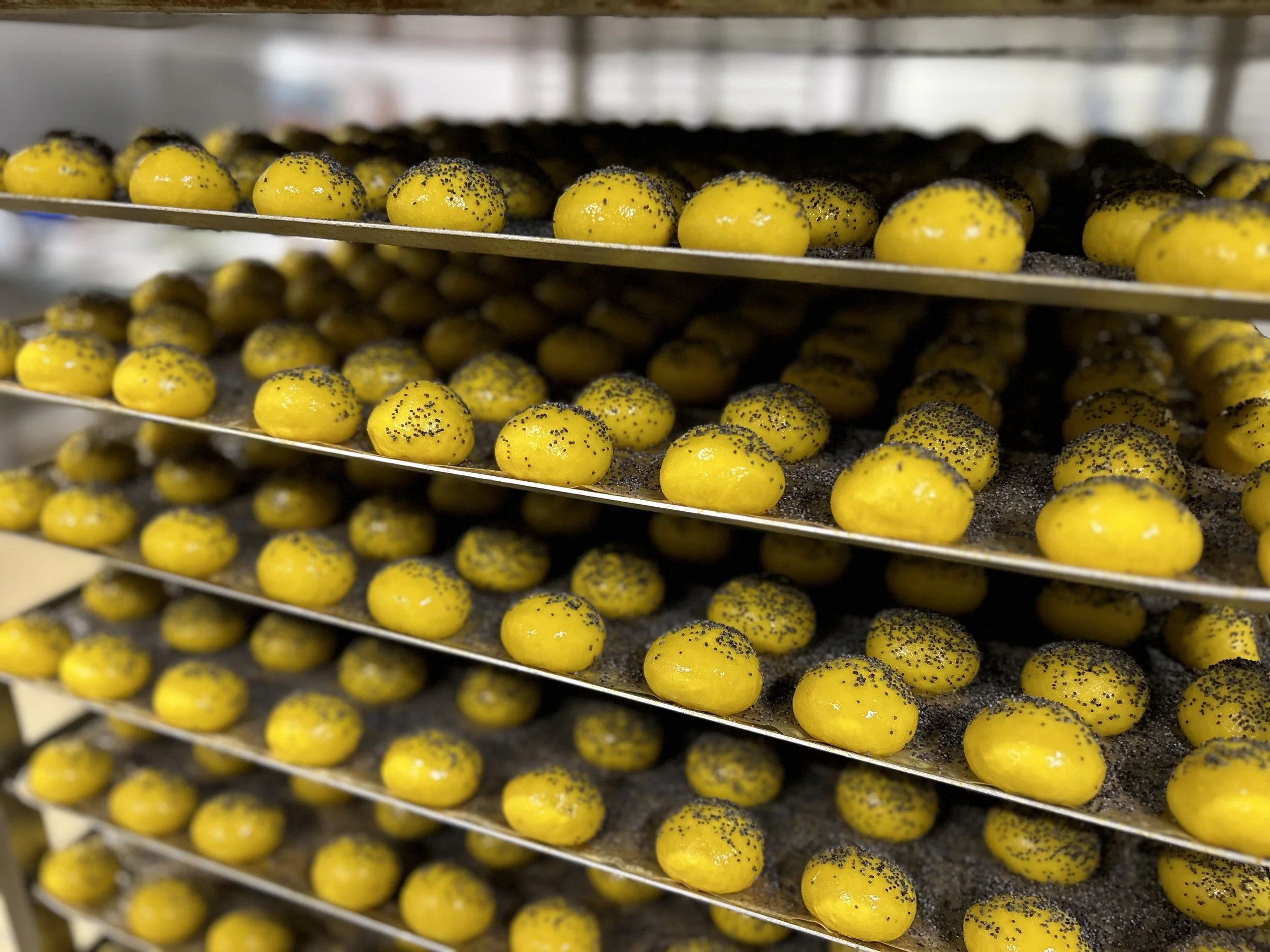
Exporting authentic French bakery products has become a strategic focus for many companies, particularly those dedicated to producing brioches and quiches for professionals. Meeting the expectations of clients worldwide requires not only traditional expertise but also the ability to adapt to diverse markets and specific needs. Frozen bakery product manufacturers play an essential role by ensuring consistent quality while adapting their offerings for both the foodservice and retail sectors. By providing high-quality products, competitive prices, and flexible solutions such as private label production, these wholesale suppliers support global partners seeking reliable European bakery specialties.
Understanding the export market for frozen bakery products
The appetite for French-style baked goods continues to grow internationally, especially in regions aiming to expand their pastry selections or enhance existing menus. Frozen bakery products emerge as a practical solution, enabling professional buyers to manage inventory with greater flexibility while maintaining excellent taste and texture. For these reasons, specialized brioche manufacturers and quiche manufacturers are often the preferred choice for expertly crafted items that meet demanding professional standards.
The reputation of French bakery is rooted in authenticity, meticulous attention to detail, and uncompromising quality. Export-oriented producers must preserve these qualities from France all the way to distant destinations. Thanks to advanced freezing technology, freshness is maintained so that every bite delivers the expected fluffy or flaky texture, regardless of where it is enjoyed.
What sets export-oriented brioche and quiche manufacturers apart?
Brioche and quiche manufacturers who serve international markets encounter unique challenges and opportunities. Becoming recognized as euro-centric or even global suppliers involves far more than baking expertise alone. It means adapting recipes, packaging, and logistics to suit different climates, regulations, and culinary preferences. Recognizing the importance of flexibility in international trade, leading wholesale suppliers invest in innovation and rigorous quality control measures.
High-quality products and competitive prices distinguish these manufacturers in global markets. Streamlined production processes enable them to compete effectively on an international scale, offering value without sacrificing flavor or visual appeal. This approach attracts both major retailers and specialized foodservice operators seeking premium frozen options for their clientele.
How do manufacturers address diverse customer needs?
Customization through private label production
Private label production allows wholesale suppliers to adapt recipes, branding, and packaging for each partner’s requirements. Many clients wish to offer products under their own brand name, relying on the know-how of established brioche and quiche manufacturers to deliver top-tier French bakery items. This collaboration can address market-specific tastes, package sizes, and dietary needs—such as allergen-free or organic alternatives.
When sourcing for original and airy quiches or mini brioches, some distributors prefer working with a savory tarts and mini brioches supplier that uses culinary techniques typical of French cuisine and top-quality ingredients. Beyond branding flexibility, private labeling enables manufacturers to respond quickly to seasonal trends or regional specialties. Dedicated R&D teams work closely with partners to develop custom solutions, ensuring varieties align with current demand or emerging preferences in any destination market.
Ensuring consistent supply for foodservice and retail
Supplying both foodservice and retail sectors demands operational agility. Restaurants, hotels, and cafeterias require bulk formats and easy preparation, whereas retailers need attractively packaged, ready-to-sell products. Top frozen bakery product manufacturers streamline logistics so that both segments receive regular deliveries, no matter the order size or frequency. This reliability strengthens long-term business relationships and builds trust across borders.
Meeting sector-specific requirements also means strict adherence to safety and documentation protocols. Export-oriented manufacturers keep up with changing regulations, provide traceability, and maintain multiple certifications to reassure professional buyers regarding sourcing and handling practices.
Emphasizing authenticity and innovation in the european bakery industry
Classic recipes such as buttery brioche loaves and savory Lorraine quiches form the core of most product ranges. However, today’s market calls for both creativity and tradition. Professional buyers expect the comforting flavors of a genuine French bakery, but also appreciate modern variations reflecting new trends or healthy lifestyles. Thus, innovation is key to remaining relevant as dietary habits evolve worldwide.
Some manufacturers experiment with whole-grain flours, vegetarian fillings, or reduced-fat options—all while respecting time-honored techniques. Continuous development not only satisfies loyal customers but also attracts new audiences interested in European bakery classics reimagined for contemporary tastes.
Maintaining rigorous quality standards in export operations
Quality assurance processes
Throughout every stage—from raw material selection to final freezing—strict controls guarantee quality. Each batch undergoes comprehensive inspection and testing to ensure the signature softness of brioche or perfect custard-set quiche. Specialty bakeries focused on export prioritize consistency, using state-of-the-art equipment and highly trained staff to monitor every step.
Compliance with international standards ensures exported bakery products remain safe, delicious, and visually appealing throughout transit. Certifications like IFS, BRC, or ISO offer additional reassurance for purchasers, confirming adherence to both European and overseas requirements.
Adaptability in packaging and shipping
Shipping bakery products internationally brings logistical challenges. To prevent spoilage or deformation, manufacturers employ robust packaging technologies designed specifically for frozen goods. External factors such as humidity and altitude can affect delicate pastries, making insulation and temperature control essential for each shipment.
Packaging may also be customized to fit local language regulations, including nutritional details, instructions, and branding elements. This personalized approach enhances shelf presence and encourages better positioning within both retail and foodservice channels.
Building strong partnerships with global distributors
Reliable wholesale suppliers do more than just sell products—they foster lasting relationships with distributors and end-users worldwide. Consistent communication, responsive service, and collaborative planning underpin successful export operations. Trust is vital, especially when dealing with perishable goods over long distances.
Mutual commitment between manufacturers and partners drives ongoing growth. Sharing insights into local market trends often leads to exclusive brioche and quiche creations, expanding product lines and reinforcing the image of French bakery as a daily favorite in diverse environments.