
Kosher pastry: discovering the world of jewish bakery traditions
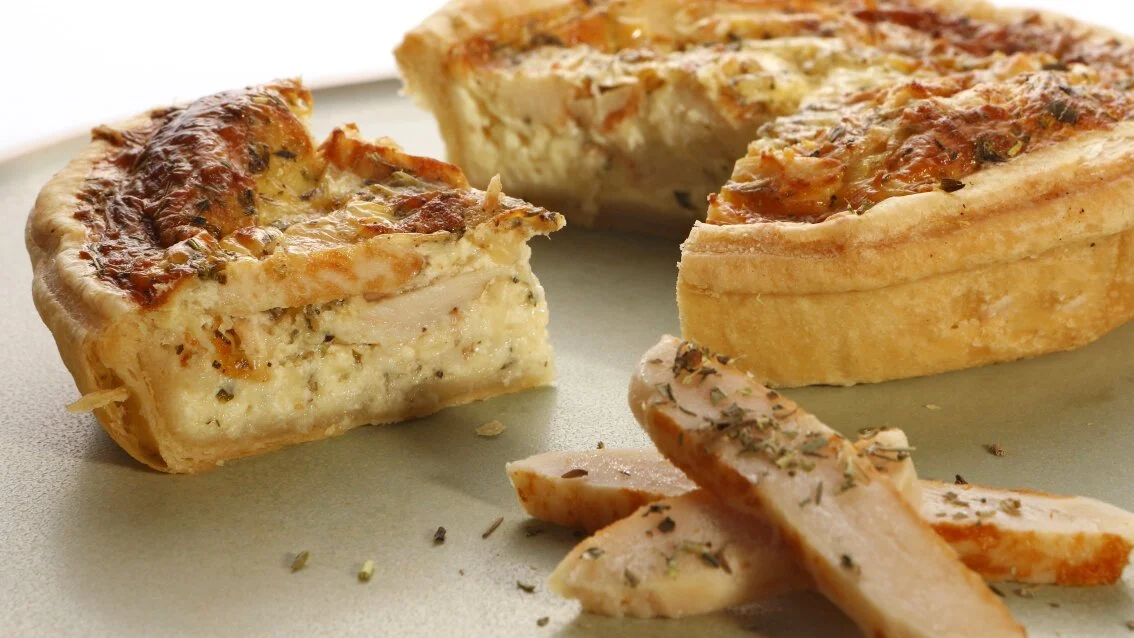
Every bite into a kosher pastry tells a story rooted in tradition and meticulous respect for dietary laws. The universe of jewish bakery specialties is as diverse and flavorful as any other, with each recipe crafted to follow specific guidelines known as kashrut. Today, businesses specializing in frozen quiches for professionals must pay particular attention to these requirements when catering to clients who demand kosher certification. For those exploring this culinary realm, understanding what truly makes a pastry kosher reveals both its unique charm and its underlying complexity.
What defines a kosher pastry?
The defining trait of any kosher bakery or jewish bakery lies in unwavering dedication to religious dietary standards. In practice, every ingredient and preparation method strictly aligns with Jewish law. These bakeries are not just places to pick up challahs or babkas—they are environments where each batch is prepared under careful supervision, especially regarding the origin of ingredients and kitchen protocols.
A typical kosher pie, cookie, or tart contains no hidden elements for observant customers. Every egg, grain of flour, or piece of chocolate undergoes scrutiny to ensure compliance. This attention extends even to professional kitchens producing both savory and sweet options for hotels, restaurants, and caterers.
Main criteria for kosher bakery goods
Crafting authentic kosher cakes and pastries involves much more than following cherished family recipes. Three essential factors set apart products baked under kosher supervision from others commonly available in the market.
Ingredient sourcing and segregation
Everything begins with selecting only high-quality raw materials. Ingredients included must be guaranteed kosher; this can mean excluding certain fats or gelatin unless specifically certified. Rigid separation keeps dairy items away from meats and ensures pareve options: treats made without either dairy or meat. Pareve and dairy-free options appeal strongly to broader audiences, including vegetarians and those with allergies.
When it comes to gluten-free options, bakers rely on approved flours like almond or coconut and guarantee that substitutes remain free from cross-contamination. Each purchase of flour or chocolate chips is typically backed by documented proof of kosher certification. Such diligence reassures all clients—whether their motivation is personal, ethical, or religious.
Kitchen protocols and utensils
Within a kosher bakery, all utensils, ovens, and work surfaces adhere to distinct cleaning and usage routines. Equipment used for baking dairy treats never mixes with those dedicated to pareve or meat recipes. While these measures may appear demanding to those unfamiliar with kosher traditions, they form the foundation of trust between bakeries and their clientele.
Oversight continues throughout production. Supervisors, known as mashgichim, regularly visit to confirm that procedures are followed precisely. Businesses offering frozen kosher quiche to professionals must maintain detailed records and provide ongoing proof of compliance to uphold their reputation within the kosher market.
Popular kosher desserts and pastries
Stepping into a jewish bakery unveils a vibrant selection of kosher desserts suitable for every occasion, from daily moments to major celebrations. Many classic recipes have become iconic, uniting people at holiday tables and family gatherings.
Kosher cakes and cookies beloved across generations
Kosher cakes include much more than honey cake or sponge—New York-style cheesecakes, layered tortes, and chocolate babka showcase creativity and tradition. Kosher cookies such as rugelach, mandelbrot, and cinnamon hamantaschen are staples during special holidays, remaining favorites among all ages.
Modern bakeries now offer gluten-free and dairy-free delights, ensuring festive tables are inclusive for everyone, regardless of dietary needs.
Diverse treats shaped by history and geography
Beyond famous classics, different communities have developed signature kosher desserts reflecting their cultural heritage. Jam-filled sufganiyot shine during Hanukkah, while syrupy bourekas and fruit tarts draw inspiration from Mediterranean roots.
Regardless of origin, expert technique and creative vision consistently shape memorable dessert selections. Even professional markets turn to reliable suppliers for ready-to-bake kosher pastries, simplifying event catering or hotel breakfast service.
Kosher certification: what do professionals need to know?
Entering the kosher sector requires far more than simply modifying a traditional recipe. Numerous organizations specialize in providing kosher certification, signaling to consumers that every aspect of food production meets established standards. This process covers ingredient verification, preparation monitoring, and continuous compliance checks.
Certification agencies grant recognizable symbols found on packaging and menus, reassuring decision-makers choosing among various suppliers. For manufacturers of quiches or pastries intended for the professional sector, maintaining transparent and current documentation is crucial for building customer confidence and loyalty.
The growing demand for modern kosher pastries
With increased interest in plant-based eating and global cuisines, the appeal of kosher desserts continues to grow. Providing dairy-free and allergen-friendly alternatives attracts new clientele, both inside and outside the traditional Jewish community.
Businesses entering this evolving field must balance authenticity with innovation, staying attentive to changing expectations regarding texture, flavor, and appearance. A kosher bakery that achieves this blend gains a competitive advantage—particularly when supplying hotels, restaurants, and institutions seeking dependable partners.
Meeting professional needs with convenient solutions
Professionals sourcing kosher pastries in bulk face distinct challenges, from menu design to regulatory considerations. Ready-to-use products meeting kosher certification standards streamline procurement without compromising taste or variety. Companies manufacturing frozen kosher quiches understand that consistency, efficiency, and strict compliance are paramount.
Offering gluten-free, dairy-free, and pareve options enables businesses to expand their offerings. With each order, establishments reassure clients that every treat is crafted with integrity and care, ensuring peace of mind with every indulgence.